






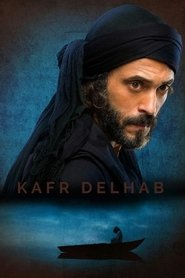

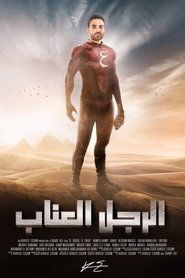
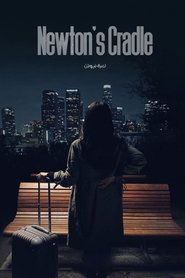
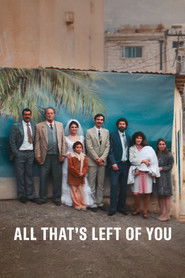
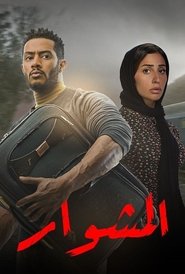
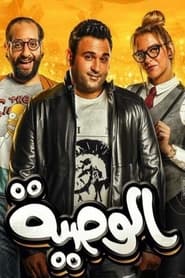



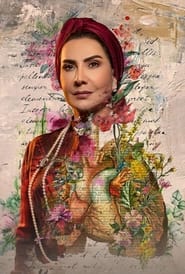


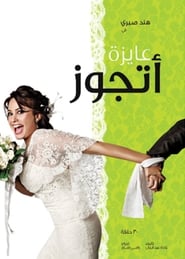
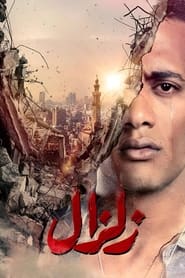
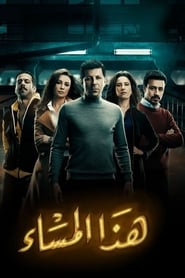
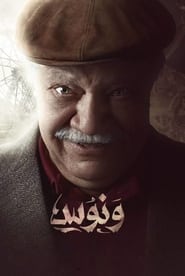





 All titles
Akwam
From Cairo Station, The Land and Terrorism and Kebab to The Yacoubian Building, Clash and Yomeddine, from Paranormal, Finding Ola and AlRawabi School for Girls to Wadjda, Theeb, Caramel and Farha. Arabic titles are searchable too. Pick one and press Watch now.
Arabic series
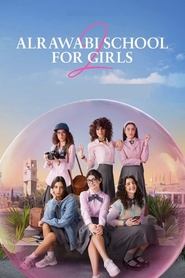
More ›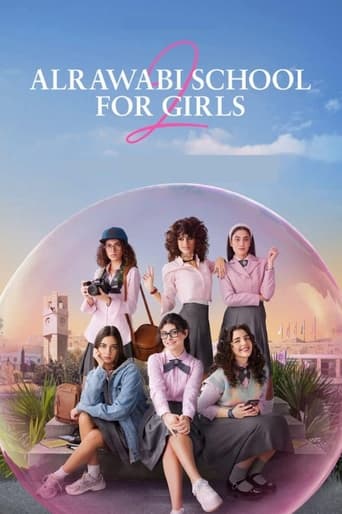 ★ 7.512 epsAlRawabi School for Girlsمدرسة الروابي للبنات2021
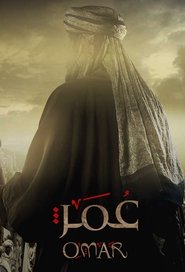
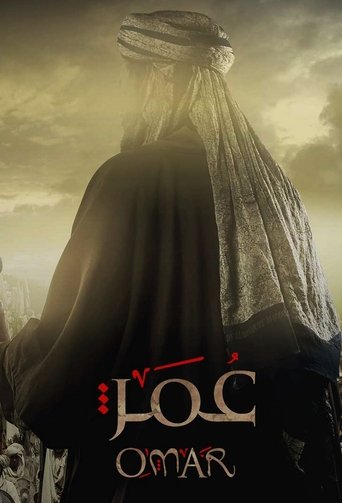 ★ 931 epsOmarعُمَرْ2012
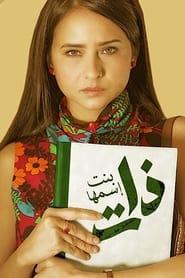
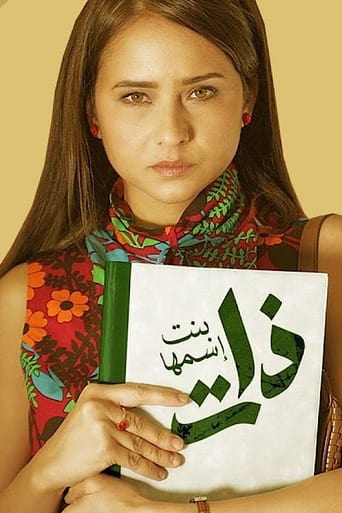 ★ 8.131 epsA Girl Named Zatذات (بنت اسمها ذات)2013
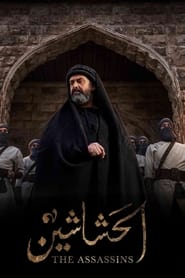
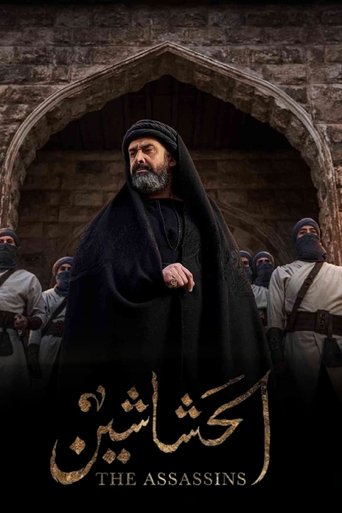 ★ 7.230 epsThe Assassinsالحشاشين2024
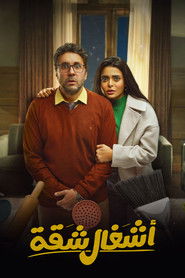
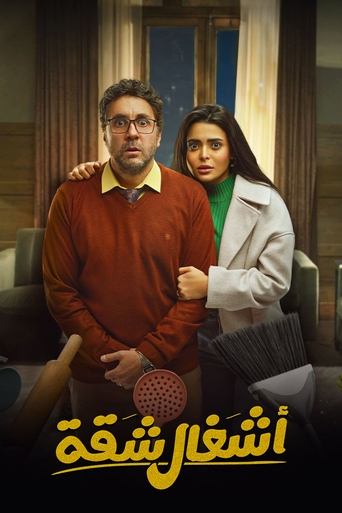 ★ 8.130 epsApartment Worksأشغال شقة2024
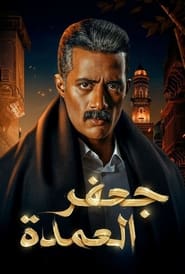
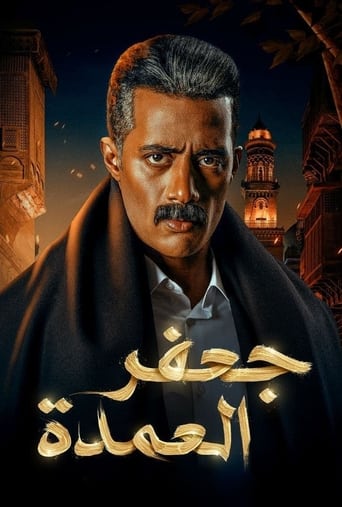 ★ 6.930 epsGaafar El Omdaجعفر العمدة2023
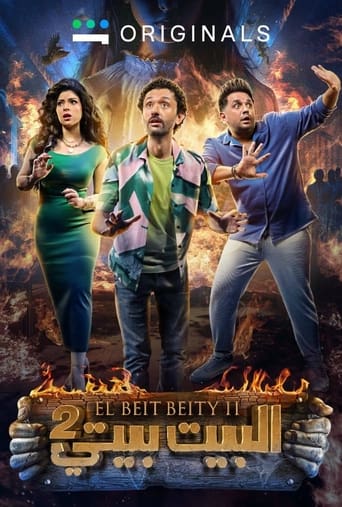 ★ 7.620 epsThe House is My Homeالبيت بيتي2022
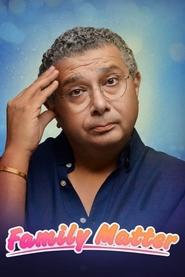
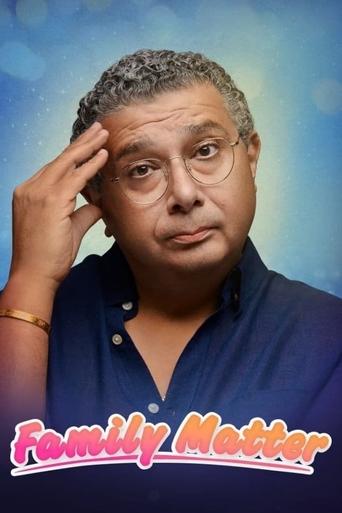 ★ 7.632 epsFamily Matterموضوع عائلي2021
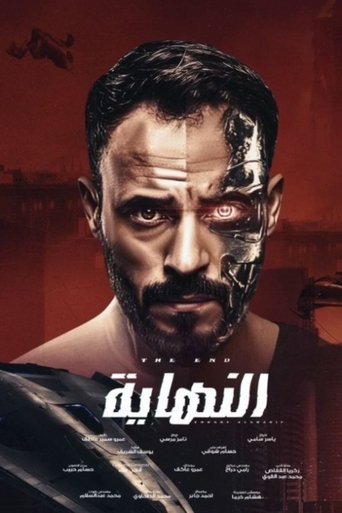 ★ 6.530 epsThe Endالنهاية2020
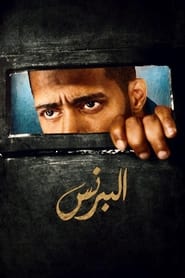
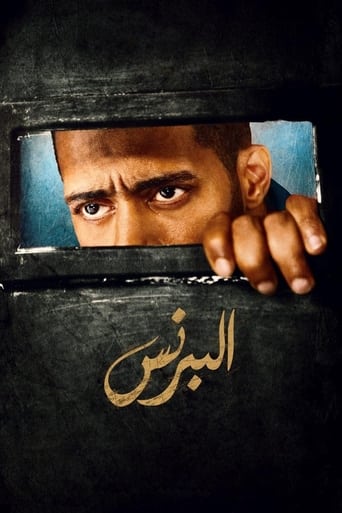 ★ 6.830 epsThe Princeالبرنس2020
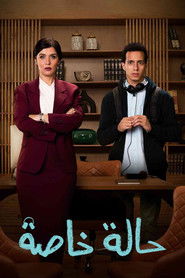
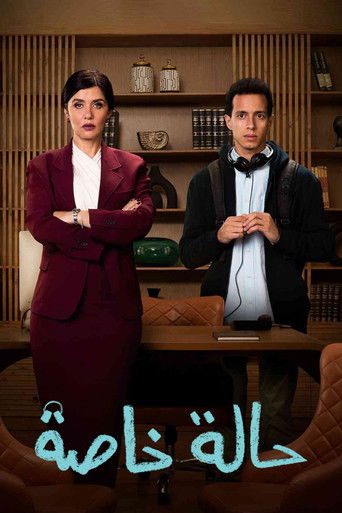 ★ 8.410 epsSpecial Caseحالة خاصة2024
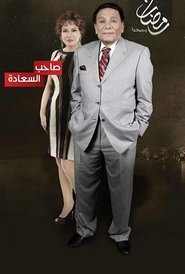
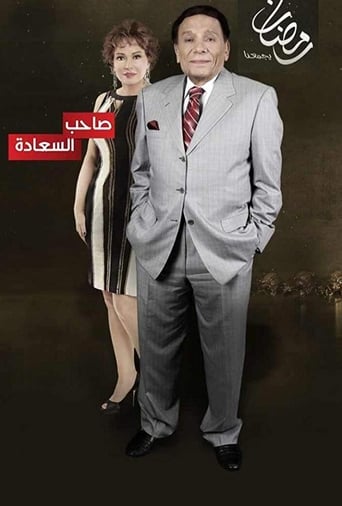 ★ 6.230 epsHis Excellencyصاحب السعادة2014
Arabic films
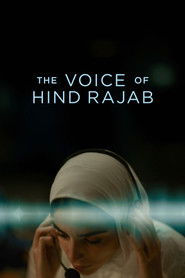
More ›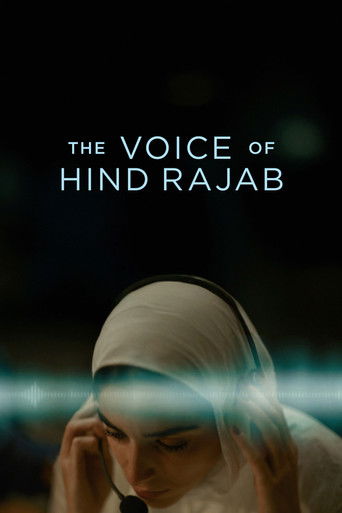 ★ 8.1The Voice of Hind Rajabصوت هند رجب2025
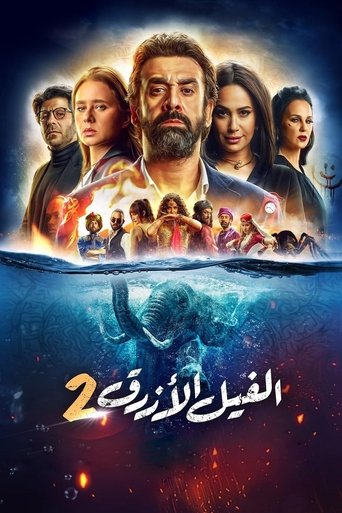 ★ 7.6The Blue Elephant 2الفيل الأزرق ٢2019
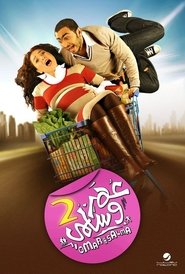
 ★ 6.2Omar & Salma 2عمر و سلمي ٢2009
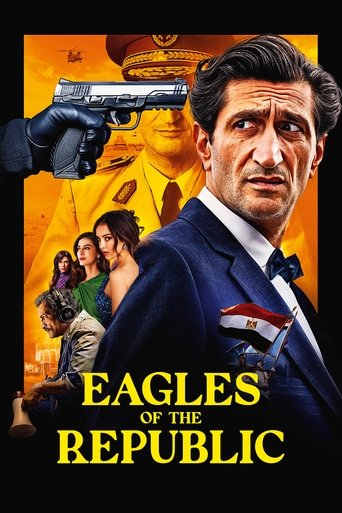 ★ 6.9Eagles of the Republicنسور الجمهورية2025
 ★ 5.9Karmouz Warحرب كرموز2018
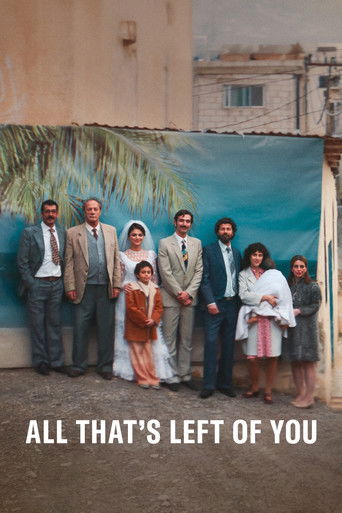 ★ 7.9All That's Left of Youاللي باقي منك2025
 ★ 6.1The AmbushالكمينAl Kameen2021
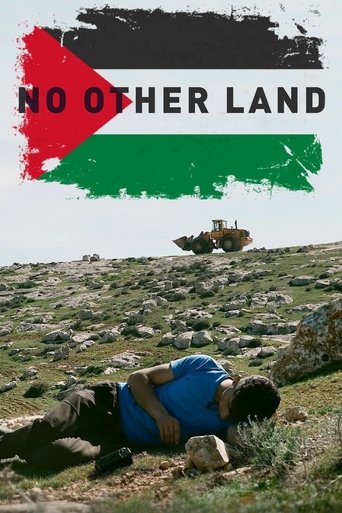 ★ 8No Other Landلا أرض أخرى2024
 ★ 6.8Sons of Rizk 2: Return of the Lions of the Landولاد رزق ٢: عودة أسود الأرض2019
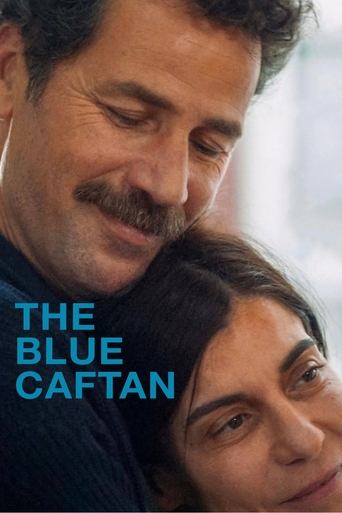 ★ 7.2The Blue Caftanأزرق القفطان2023
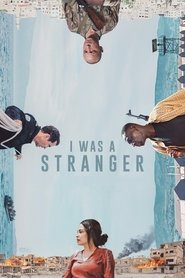
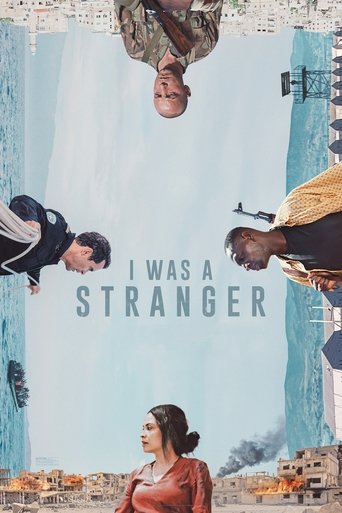 ★ 6.7I Was a Strangerقضية الغرباء2025
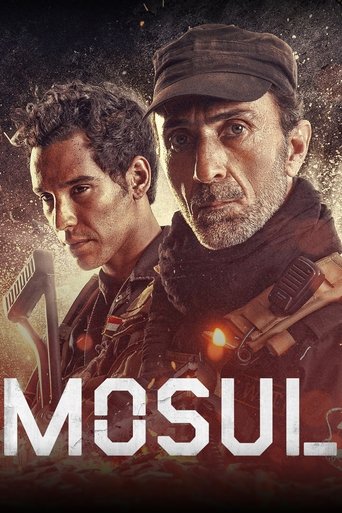 ★ 6.7Mosulالموصل2019
Ramadan dramas
More ›Egyptian comedy
More ›
The Gulf
More ›

Lebanon, Syria, Jordan, Palestine and Iraq
More ›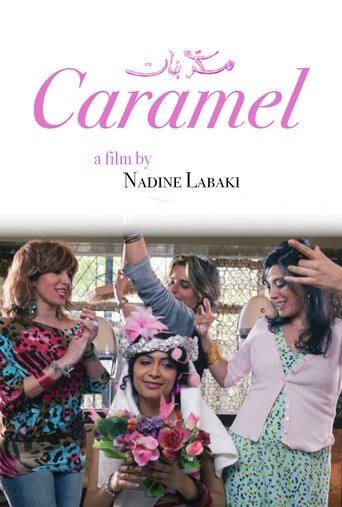

The Maghreb and Sudan
More ›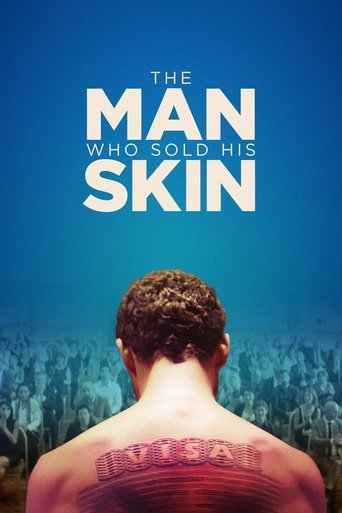
Festival favourites
More ›Akwam: Arabic films and series, from Cairo Station and The Land to The Yacoubian Building, Wadjda, Theeb and Paranormal
Akwam grew up as one of the best-known Arabic film sites, describing itself as the first Arabic destination for watching, with a dramatic front door: a dimmed wall of posters tilted across the screen, a large white-ringed circle in the middle and four dark tiles for films, series, television and everything else. The new Akwam keeps that striking entrance and the dark, orange-accented style of its pages, and turns its love of Arab screen stories into an honest guide written in English for viewers everywhere. It gathers Arabic-language films and series from Egypt, the Levant, the Gulf and the Maghreb, and every title has a Watch now button that opens it on the official services in your country.
Arab cinema is one of the oldest and richest film traditions in the world. Egypt built a film industry in the 1930s that became known as the Hollywood of the East, and for decades its comedies, musicals and melodramas filled cinemas from Casablanca to Baghdad. Today, directors from Lebanon, Palestine, Jordan, Saudi Arabia, Tunisia and Morocco win prizes at the great festivals, and Arabic streaming series reach audiences on every continent. Akwam is a friendly map of that world, for Arabic speakers who want to find a favourite again and for newcomers taking their first step, and every title can be searched by its English name or its original Arabic title.
The Akwam design
The archived captures of ak.sv and akwam.net from 2025 and 2026 preserve the site's front page and its style sheets, and the design here is measured from them. The base is a deep charcoal with a hint of blue, and the tiles and panels are a shade lighter, with fine dark borders and small, crisp corner radii. The accent is a warm orange, used for the search button, the rating tags and the links of each section, and it deepens when you point at it, just as on the original. The great circle at the heart of the front page has a white ring and a thick white border, and when you point at it the ring turns a bright sky blue.
The original was set in a bold Arabic typeface called STC. This guide uses Cairo, a clean modern face designed for both Arabic and Latin letters, so the English text and the original Arabic titles sit comfortably side by side. The logo is a bold white triangle with an orange tip, followed by the name in spaced capitals; the favicon shows the same triangle on a dark tile.
The header
A slim dark header stays at the top of every page. On the left is the Akwam mark, which always leads home. Beside it runs the main menu, Home, Films, Series, Egypt, Documentaries and the A-Z index, with the current page shown in orange. On the right sits a dark search field with an orange button, which understands both English and Arabic, and an orange outlined My List button. On a phone, the menu folds into a single button that opens the search field and every section. The finding a title guide explains how to search in both languages.
The front door
The home page opens with the original's grand entrance. Behind everything lies a wall of posters from the catalogue, tilted at an angle and dimmed to a quiet glow. In the centre stands the great circle: a white ring around a dark disc with a thick white border, holding the Akwam triangle and the words All titles. Pressing it opens the full A-Z index. Below the circle come the site's heading and a short introduction, then a wide search field with an orange button, and finally four dark tiles with simple line icons: Films, Series, Egypt and Documentaries. Each tile turns orange when you point at it.
The shelves
Below the front door, the shelves take the form of the original's dark widgets. Each has a bold heading marked with a short orange bar, an orange More link and a fine rule beneath, and holds a grid of posters, six across on a laptop. The first shelves show the most popular series and films, followed by Ramadan dramas, Egyptian comedies, and shelves for the Gulf, the Levant, the Maghreb and festival favourites. Every poster carries an orange rating tag in its corner, and series add a small dark tag with their number of episodes. Beneath each poster you will find the English title, the original Arabic title written right to left, and the year.
The title page
Open any poster to reach the title's own page. There you will find the poster, the English and Arabic titles, the year, the genres and the audience rating, followed by a summary and the principal cast. A series lists each season with all of its episodes and their original air dates, and you can tick off the ones you have watched. Next to the poster, a country selector and a Watch now button lead to JustWatch, which shows the official services for that title where you live. The how to watch guide takes you through it step by step.
Youssef Chahine and the golden age
Youssef Chahine towers over Egyptian cinema, and several of his films sit on the shelves. The Blazing Sun, from 1954, is a passionate drama of a feud in the villages of Upper Egypt, and it gave a young actor named Omar Sharif his first leading role opposite the great star Faten Hamama. Cairo Station, from 1958, is a masterpiece set in a single day at the capital's main railway station, where Chahine himself plays a lonely newspaper seller obsessed with a vivacious drinks vendor, played by Hind Rostom. Saladin, from 1963, is a grand historical epic about the sultan who united the Muslim armies in the age of the Crusades.
The Land, from 1970, is Chahine's powerful drama of peasants defending their water rights in a village in the 1930s, often named among the greatest Arab films ever made. Return of the Prodigal Son and Alexandria… Why?, the first of his autobiographical films about growing up in cosmopolitan Alexandria during the Second World War, show his more personal side, and Destiny, from 1997, tells the story of the twelfth-century philosopher Ibn Rushd, known in Europe as Averroes, and the struggle to protect his books. The Egyptian cinema guide and the 1954 to 1999 shelf gather the classics.
Adel Emam, the leader
For half a century, the actor Adel Emam, known to his fans simply as the Leader, was the king of Egyptian comedy, and his films are some of the most quoted in the Arab world. The School of Mischief, a filmed version of the hit play from 1973, made him a household name as a mischievous student. Terrorism and Kebab, from 1992, is a brilliant satire directed by Sherif Arafa in which a frustrated citizen, trying to move his children to a new school, ends up accidentally holding a vast government building hostage. The Yacoubian Building, from 2006, adapts Alaa Al Aswany's best-selling novel about the residents of a once-grand Cairo apartment block, with Emam leading an all-star cast.
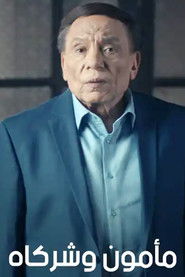
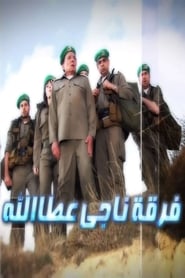
In Hassan and Marcus, Emam and Omar Sharif play a Muslim and a Christian who are each forced to live under the other's identity, a warm and pointed comedy about tolerance. The Embassy in the Building finds him living next door to a foreign embassy, and Morgan Ahmed Morgan casts him as a wealthy businessman who decides to go back to university. On television, Ferqet Naji Atallah and Mamoun & Associates continued his reign during Ramadan evenings.
The new Egyptian comedy
In the late 1990s, a new generation of comedians transformed Egyptian cinema. Upper Egyptian in the American University, from 1998, starring Mohamed Henedy as a young man from the south who wins a scholarship to the American University in Cairo, was a phenomenal hit, and it was followed by Hammaam in Amsterdam, which sends Henedy to the Netherlands. Mohamed Saad created one of the most popular characters in Egyptian film with the good-hearted, mumbling El Lemby, and returned in Lembi 8 Giga, Okal and Katkout.
Ahmed Helmy brought a gentler, cleverer style. In 1000 Mabrouk, he lives the same wedding day again and again, in Bittersweet an Egyptian-American returns to Cairo and discovers how much he has to learn about his own country, and in X-Large a lovable cartoonist struggles with his weight and his heart. Sorry For Disturbance and Mido the Troublemaker show his range, from drama to slapstick. The Egyptian comedy shelf gathers sixty-seven comedies from the last half century.
Egyptian thrillers and blockbusters
Modern Egyptian cinema has embraced the thriller with spectacular results. The Blue Elephant, directed by Marwan Hamed from Ahmed Mourad's novel, follows a psychiatrist, played by Karim Abdel Aziz, who returns to work in a hospital ward for the criminally insane and meets an old friend accused of a terrible crime; it became one of the most successful Egyptian films of its decade, and The Blue Elephant 2 followed. Hamed and Mourad also made Diamond Dust and Kira & El Gen, a sweeping adventure about resistance to British rule in 1919.
Clash, directed by Mohamed Diab, takes place entirely inside a police van in the days after the summer of 2013, as protesters from opposing sides are thrown together; it opened a section at the Cannes Film Festival. The Treasure: Truth & Imagination weaves stories from three eras of Egyptian history, Karmouz War and The Cell deliver large-scale action, and Sons of Rizk follows a family of charming thieves. The Thrillers and mysteries shelf gathers seventy of them.
Ramadan dramas
For Arab television, Ramadan is the great season. Every year, networks and platforms across the region premiere their most ambitious dramas at the start of the holy month, usually in thirty episodes, one for each evening, and families gather after the fast-breaking meal to watch them together. The biggest series become national conversations, and their stars, theme songs and catchphrases fill the rest of the year. Akwam keeps these month-long, single-season dramas on the Ramadan dramas shelf and leaves the long-running multi-season sagas to other guides. The Ramadan guide explains more.
Grand Hotel, from 2016, is a lush mystery set in a luxury hotel in Aswan in the 1950s, where a young man takes a job to discover what happened to his missing sister. The Assassins, from 2024, is a lavish historical epic about Hassan-i Sabbah and the fortress of Alamut, with Karim Abdel Aziz in the lead. Newton's Cradle is an ambitious drama about an Egyptian couple whose lives unravel in the United States, A Girl Named Zat follows one woman's life through half a century of Egyptian history, adapted from Sonallah Ibrahim's novel, and Wannous stars Yehia El Fakharany as a devilish figure who tempts a family. Omar, a large-scale Qatari production, tells the story of the second caliph, Omar ibn al-Khattab.
Streaming series
Since 2019, streaming platforms have opened a new chapter for Arab drama, with short series designed for binge-watching and released to audiences around the world. Jinn, from Jordan, was the first Arabic original series on Netflix, a supernatural story set around the ancient city of Petra. Paranormal, from Egypt, adapts the beloved horror novels of Ahmed Khaled Tawfik, with Ahmed Amin as Refaat Ismail, a sceptical doctor drawn into mysterious events in the 1960s; it became one of the most-watched non-English series on the platform. AlRawabi School for Girls, created by Tima Shomali, follows a bullied student who plans an elaborate revenge at an elite girls' school in Amman, and its second season widened the story.
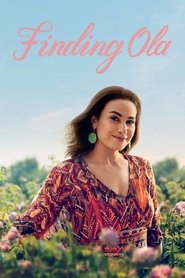
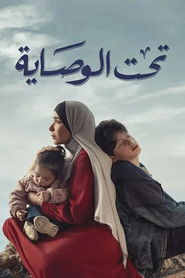
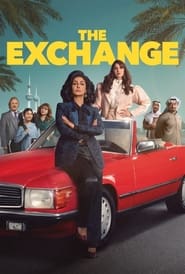
Finding Ola stars Hend Sabry as a newly divorced woman rebuilding her life in Cairo, a sequel to her much-loved series about Ola's search for love. Rashash tells the story of a notorious outlaw in 1980s Saudi Arabia, Whispers follows a family uncovering a father's secrets through his smartwatch, and The Exchange follows two women breaking into the male world of the Kuwaiti stock market in the 1980s. Taht El Wesaya, with Mona Zaki as a widow fighting for the right to care for her children, won wide acclaim. The streaming series guide and the Streaming series shelf gather two dozen of them.
Lebanon and Syria
Lebanese cinema is famous for its warmth, wit and resilience. Caramel, the first feature by Nadine Labaki, follows five women whose lives meet in a Beirut beauty salon, where sugar and lemon are used to wax legs, and it became one of the most beloved Arab films of its decade. Labaki followed it with Where Do We Go Now?, a bittersweet fable in which the women of a remote village conspire to keep their Christian and Muslim menfolk from fighting. Costa Brava, Lebanon follows a family who leave Beirut for an idyllic mountain home, only to find a rubbish dump being built beside it, and Ghadi is a warm comedy about a father and his special son in a coastal town. Perfect Strangers, Netflix's first Arabic film, gathers seven friends around a dinner table for a game that exposes their secrets.
Palestine
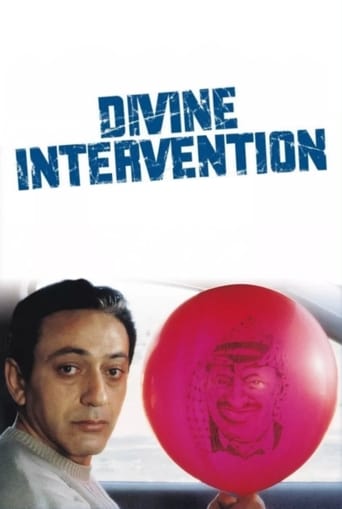
Palestinian cinema has given the world some of its most original voices. Elia Suleiman makes quiet, deadpan comedies in which he often appears as a silent observer: Chronicle of a Disappearance, Divine Intervention, which won the Jury Prize at Cannes, and The Time That Remains, which follows his family's history from 1948 to the present. Wajib, by Annemarie Jacir, follows a father and his son driving around Nazareth to deliver wedding invitations by hand, a tender and funny portrait of two generations. 200 Meters follows a father separated from his family by the wall, only two hundred metres away, and Gaza Mon Amour is a gentle late-life romance between a fisherman and a seamstress.
Farha, from Jordan, tells the story of a girl hidden in a storeroom during the events of 1948, All That's Left of You, by Cherien Dabis, follows three generations of a family across seventy-five years, and The Voice of Hind Rajab, by the Tunisian director Kaouther Ben Hania, won the Silver Lion at the Venice Film Festival. The Present, a short film about a father and his daughter buying a gift, was nominated for an Academy Award.
Jordan
Jordan's young film industry has produced several remarkable works. Theeb, from 2014, directed by Naji Abu Nowar, follows a Bedouin boy who sets out across the desert of the Hejaz in 1916 with his older brother and a British officer, a thrilling coming-of-age western filmed with real Bedouin actors; it was nominated for the Academy Award for best foreign language film. Inshallah a Boy, by Amjad Al Rasheed, follows a widow in Amman fighting to keep her home, and it became the first Jordanian film selected for Cannes Critics' Week. I Was a Stranger, about a Syrian doctor and her daughter fleeing Aleppo, and the series AlRawabi School for Girls and Jinn show the range of new Jordanian storytelling.
Saudi cinema
Saudi Arabia reopened its cinemas in 2018, and a new film culture has flourished since. Wadjda, from 2012, directed by Haifaa al-Mansour, was the first feature film shot entirely in the kingdom: a spirited ten-year-old girl in Riyadh enters a Quran recitation competition to win the money for a green bicycle she longs to ride. Al-Mansour followed it with The Perfect Candidate, about a young doctor who decides to stand in her town's municipal elections. Naga follows a young woman whose secret night out ends with her stranded in the dunes outside Riyadh and pursued by a furious camel, Head to Head is a caper in which a lovesick chauffeur and a mechanic accidentally pick up a retired crime boss, From the Ashes investigates a mysterious fire at a strict girls' school, and Alkhallat+ is an anthology of comic tales about tricksters. On the series side, Masameer County, Rashash, Whispers and Crashing Eid show the confidence of Saudi storytelling. The The Gulf shelf gathers thirty-nine Gulf titles.
The Emirates, Kuwait and Qatar
Across the Gulf, filmmakers are telling stories on an ever-larger scale. The Ambush, from the United Arab Emirates, follows three soldiers trapped in a canyon under fire, with action directed by the French filmmaker Pierre Morel, and The Worthy imagines a family sheltering in a guarded compound after the collapse of civilisation, until the father lets strangers inside. Honeymoonish, from Kuwait, is a cheerful romantic comedy about newlyweds, and The Unknown Saint is a deadpan Moroccan comedy, co-produced with Qatar, about a thief who returns from prison to find a shrine built over the spot where he buried his loot.
The Maghreb
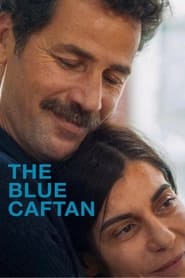
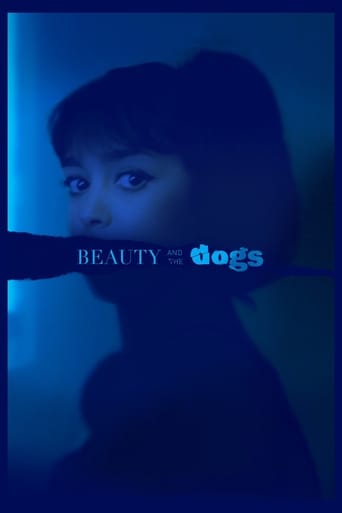
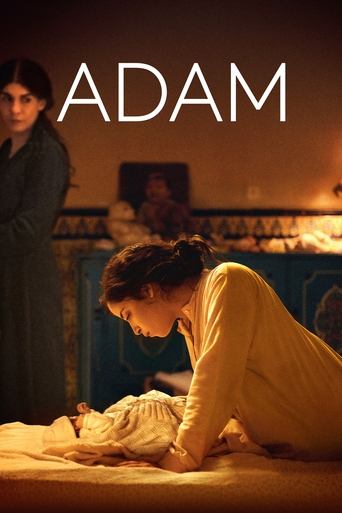
North African cinema has its own proud history. Chronicle of the Years of Fire, directed by Mohammed Lakhdar-Hamina, traces the Algerian struggle for independence from the 1930s to 1954, and it won the Palme d'Or at Cannes in 1975, the first and so far only African film to do so. The Last Queen revives a legendary sixteenth-century Algiers queen with stunning costumes, and I Still Hide to Smoke gathers nine women in an Algerian hammam to talk about their lives. From Morocco, The Blue Caftan is a tender drama about a master tailor and his wife in the old medina of Salé, Adam follows a young pregnant woman taken in by a baker, and Casablanca Beats follows teenagers discovering hip-hop in a cultural centre. From Tunisia, Hedi is a quiet drama about a young man facing an arranged marriage, Beauty and the Dogs follows a young woman's struggle for justice through a single night, and The Man Who Sold His Skin, by Kaouther Ben Hania, about a refugee who becomes a living work of art, was nominated for an Academy Award. The Arab world guide and the The Maghreb and Sudan shelf gather them.
Sudan and Iraq
Sudan's cinema has enjoyed a remarkable revival. You Will Die at Twenty, directed by Amjad Abu Alala, follows a boy in a village on the Nile who grows up under a prophecy that he will die young, and it won the Lion of the Future at the Venice Film Festival. Goodbye Julia, by Mohamed Kordofani, follows a northern Sudanese woman and a southern Sudanese widow whose lives become entwined before the country's division, and it was the first Sudanese film selected for Cannes. From Iraq, Mosul follows a unit of police officers fighting to reclaim their city, and the documentary Homeland: Iraq Year Zero follows a family in Baghdad before and after the invasion of 2003.
History and epics
Arab filmmakers have staged some of the grandest historical epics in world cinema. The Message, from 1976, directed by the Syrian-American filmmaker Moustapha Akkad, tells the story of the birth of Islam from the perspective of the people around the Prophet, who, following tradition, remains unseen on screen; it was filmed in both Arabic and English versions with parallel casts. Saladin and Destiny bring medieval history to life, and Kira & El Gen and Karmouz War revisit Egypt's struggle against colonial rule. The History and epics shelf gathers twenty such stories.
Documentaries
Some of the most powerful Arab films of recent years are documentaries. The Square, by Jehane Noujaim, follows a group of young activists in Cairo's Tahrir Square through the upheavals that began in 2011. Return to Homs follows a young goalkeeper who became a singer and a leader in his besieged city, and The White Helmets, which won an Academy Award, follows the volunteer rescue workers who pulled survivors from the rubble in Syria. Notturno, by Gianfranco Rosi, travels the borderlands of Iraq, Syria, Kurdistan and Lebanon, and Samouni Road mixes live action and animation to remember a family in Gaza. The documentaries guide and the Documentaries shelf gather them.
Festival favourites
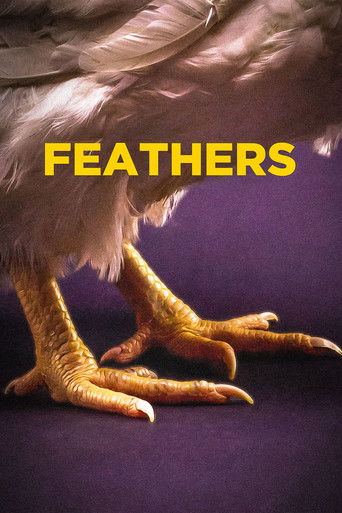
Arab films are regulars at the world's great festivals, and the Festival favourites shelf gathers forty-four films made with European and international partners. Yomeddine, by A. B. Shawky, follows a man cured of leprosy who sets out across Egypt with a young orphan to find his family, and it competed for the Palme d'Or. Feathers, by Omar El Zohairy, is a darkly comic fable about a woman whose husband is turned into a chicken by a magician at a children's party; it won the Grand Prize of Cannes Critics' Week. The Man Who Sold His Skin, Theeb, Wadjda and The Blue Caftan have all represented their countries at the Academy Awards.
Egyptian series for a weekend
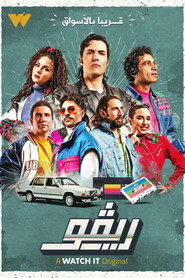
Egypt's streaming series offer a wide range of stories in a few evenings. Room 207 follows a new hotel receptionist obsessed with the rumours about a mysterious room, adapted from a story by Ahmed Khaled Tawfik. Rivo follows a young woman who finishes her late father's script about an obscure 1990s band and discovers family secrets along the way, Catalog follows a recently widowed workaholic learning to raise his children with the help of his late wife's online tips, and Lab Coat sends a newly graduated doctor to run a village clinic. The End is an ambitious science-fiction series set in the year 2120, and Suits adapts the famous legal drama for Cairo.
Dialects and subtitles
Arabic is spoken across more than twenty countries, and each region has its own dialect. Egyptian Arabic, thanks to a century of films and songs, is understood almost everywhere in the Arab world; Levantine Arabic, spoken in Lebanon, Syria, Jordan and Palestine, is known from its television dramas; and Gulf and Maghrebi Arabic have their own music and vocabulary. Official services usually offer English subtitles, and many add French, which is especially helpful for films from the Maghreb. The subtitles guide explains how to switch tracks.
Titles in two languages
Arabic titles often travel under several English names, and some are known abroad by a transliteration of the Arabic. Cairo Station is Bab El Hadid, the Iron Gate, in Arabic, Paranormal is Ma Waraa al-Tabiaa, and The Blue Elephant is Al Feel Al Azraq. Every title page on Akwam shows both the English and the original Arabic title, and the search box understands both, so you can type a title the way you remember it.
How Watch now works
Every title page has a country selector and a Watch now button. Choose your country, press the button, and JustWatch opens with the official services that carry the title where you live, grouped into subscriptions, free services with adverts, and places to rent or buy. Choose one and the title plays in that service's own app or website. Akwam remembers your country for next time, and the how to watch guide walks through the steps.
The services behind the guide
Arabic films and series reach viewers through a wide range of services. Across the Arab world, Shahid, OSN+, Watch It, TOD and Yango Play carry large libraries of Egyptian, Levantine and Gulf titles, and Netflix produces and carries many Arabic originals and classics. Outside the region, Netflix, Prime Video and specialist services carry a growing selection, and Apple TV, Google TV and Prime Video rent and sell many films. The where titles stream guide introduces them, and the Watch now button always shows the current choices for your country.
Free ways to watch
There are legal ways to enjoy Arabic titles at zero cost. Shahid and several regional services offer a free selection with adverts, some producers and broadcasters publish classic films and full episodes on their official video channels, and free services such as Tubi carry a number of Arabic films in some countries. Press Watch now and choose your country to see the free options beside the paid ones. The free Arabic films guide has the details.
Apps and devices
Akwam works in any modern browser on a phone, tablet, laptop or desktop computer, and it can be pinned to a phone's home screen. The titles play in the official apps of each service, available for Fire TV, Google TV, Apple TV, Roku, games consoles and smart televisions, so a Ramadan drama can be enjoyed by the whole family on the big screen. The apps and devices guide explains more.
Following a series with My List
My List keeps the films and series you want to watch in one place. Press Add to My List on any title page and it joins your list at once. For series, tick the episode you reached, which is especially handy during Ramadan, when a thirty-episode drama such as Grand Hotel unfolds one evening at a time. My List lives in your own browser, so it stays private, and the Export and Import buttons carry it to another device as a small file. The My List guide explains every button.
The official Akwam site
The official Akwam site has a dark charcoal page, a white triangle mark with an orange tip, a tilted wall of posters behind a great white-ringed circle, an orange search button, four dark category tiles and dark shelves marked with short orange bars. Every Watch now button leads to JustWatch, and from there to the official services. The official site guide describes the design, so you can always recognise the real Akwam.
Streaming safely
A few habits keep streaming safe. Install apps from the official stores, give each service its own strong password with two-step sign-in, and check that the address bar shows the real name of the service before you pay for anything. Akwam links only to JustWatch, and JustWatch links only to official services. The safety guide has a short checklist.
Is Akwam working?
When something feels sluggish, try the front door first and then open any poster. Two pages that load mean Akwam itself is fine; a quick reload, clearing the browser's stored files or switching to another browser will usually do the rest. Films and episodes play on the streaming services themselves, and their own help pages are the place to ask about playback. Every step is listed in the site status guide.
Privacy
Akwam keeps your information in your hands. My List, your viewing country and your episode marks are saved in your browser's local storage, and clearing your browser data clears them too. The site loads posters from TMDB, the Cairo font and the small script behind search and My List. The privacy page gives the full details.
How the catalogue is chosen
Every title on Akwam was picked by hand. The shelves hold Arabic-language films, series and documentaries from 1954 to 2025, chosen for their quality, their popularity with Arab audiences and their place in the history of Arab screen culture. Each title was screened individually. Month-long single-season Ramadan dramas are kept as limited series, while long-running multi-season sagas, daily soaps, prank and talk formats and sex-led or horror-led titles are left to other corners of the web. Posters and production details come from TMDB.
The story of Akwam
Akwam, also written Akoam, was for many years one of the most visited Arabic film sites, known for its striking front door with the tilted poster wall and the great white circle. Its pages are preserved in the web archive, and they gave the new Akwam its look. The new Akwam is an independent guide that points every visitor to the official services, run by an editorial team that loves Arab cinema and television and wants to share it with the widest possible audience, in the Arab world and beyond.
Your first visit
On your first visit, pause at the front door: the great circle opens every title, the wide search field accepts English and Arabic, and the four tiles lead to films, series, Egypt and documentaries. Then scroll through the dark shelves, from the most popular series and films to the Ramadan dramas and the shelves for each region. Save anything that catches your eye to My List, and when you are ready, press Watch now.
A family evening
Arab films and series have always been family entertainment, watched together across generations. For an evening with parents and grandparents, a classic comedy or a golden-age drama is a perfect choice, and many families have favourite lines they quote to one another. For teenagers, the streaming series offer mysteries, school dramas and supernatural thrills. Check the age rating on each service, choose something that suits everyone, and enjoy the conversation afterwards.
Music and cinema
Music has always been at the heart of Arab cinema. The musical films of the golden age starred the greatest singers of their time, and their songs are still sung today. Modern films and series continue the tradition with memorable theme songs, often performed by famous singers, which become hits in their own right during Ramadan. Listening for the music of a film, from the orchestral scores of the classics to the pop and hip-hop of the new generation, is a lovely way to feel its mood and its era.
Food on screen
Food is everywhere in Arab screen stories: the koshary carts of Cairo, the grand family tables of Ramadan evenings, the coffee poured for guests in a Bedouin tent, the sweets and pastries of Eid. Some of the most memorable scenes on these shelves take place around a meal, where families argue, reconcile and fall in love. Watching them is a delicious way to discover the cuisines of the region, and a fine excuse to cook something special for the evening.
Cities on screen
Arab films are also portraits of their cities. Cairo appears in every mood, from its grand railway station and crowded government offices to its rooftops and old apartment blocks. Alexandria shines in Chahine's memories of the 1940s, Beirut glows in the salons and streets of its comedies, Amman and Riyadh appear in a new wave of confident stories, and the old medinas of Morocco and the hammams of Algiers offer intimate settings for tales of family and friendship. Watching with an eye on the places adds a second pleasure to every film.
Generations of stars
Arab cinema has given the world generations of beloved stars. The golden age brought Faten Hamama, Omar Sharif, Hind Rostom and Farid Shawqi; the late twentieth century belonged to Adel Emam, Nour El-Sherif and Yehia El Fakharany; the new comedy of the 2000s made Mohamed Henedy, Mohamed Saad and Ahmed Helmy household names; and today Mona Zaki, Hend Sabry, Karim Abdel Aziz, Ahmed Ezz and Nadine Labaki lead films and series watched far beyond the region. The cast lists on every title page make it easy to follow a favourite star from one story to the next.
Enjoy the show
Whatever you choose, from a black-and-white classic at a Cairo railway station to a supernatural mystery in Petra, from a Beirut beauty salon to a Bedouin boy's journey across the desert, the stories on Akwam carry the warmth, humour and imagination of the Arab world. Pass through the front door, follow the orange bars from shelf to shelf, keep your place in My List, and when the final episode ends, come back for the next one. Share your favourites with friends and family, and pass on the stories that moved you most.
A short history of Arab cinema
The story of Arab cinema begins in Egypt, where the first screenings took place in Alexandria in 1896, only months after the first public film shows in Paris. By the 1930s, Cairo had its own great studio, Studio Misr, and a star system to rival any in the world. Egyptian musicals, melodramas and comedies travelled across the Arab world and made the Egyptian dialect familiar from Morocco to Iraq. The 1950s and 1960s, the golden age, brought social realism and grand epics alongside the romances, and directors such as Youssef Chahine, Salah Abu Seif and Henry Barakat made films that are still studied today.
In the following decades, cinema spread across the region. Algeria produced powerful films about its war of independence, Lebanon developed an independent cinema of memory and resilience, and Tunisia, Morocco and Palestine gave rise to distinctive auteurs. Since the 2010s, a new generation has emerged in Jordan, Saudi Arabia and Sudan, and streaming platforms have carried Arabic series to audiences around the world. The 2000 to 2009, 2010 to 2019 and 2020 onward shelves follow the story through the new century.
Women behind the camera
Some of the most important Arab films of the last two decades were directed by women. Nadine Labaki in Lebanon, Haifaa al-Mansour in Saudi Arabia, Annemarie Jacir and Cherien Dabis in Palestine, Kaouther Ben Hania in Tunisia, Maryam Touzani in Morocco, Darin J. Sallam in Jordan and Mounia Akl in Lebanon have all made films that travelled to the world's great festivals, and many of them tell stories centred on women's lives, friendships and struggles. Their work sits across the shelves of Akwam, and following their films is a rewarding way to explore the new Arab cinema.
From novels to the screen
Arab literature has given cinema and television many of their finest stories. Naguib Mahfouz, the first Arab writer to win the Nobel Prize in Literature, inspired dozens of Egyptian films. More recently, Alaa Al Aswany's novel became The Yacoubian Building, Sonallah Ibrahim's novel became the series about a girl named Zat, Ahmed Mourad's thrillers became The Blue Elephant and Diamond Dust, and the horror novels of Ahmed Khaled Tawfik, beloved by generations of young Egyptian readers, became Paranormal and Room 207. Reading the books alongside the adaptations is a wonderful way to deepen your enjoyment.
The Egyptian sense of humour
Egyptian comedy has a flavour all its own: quick wordplay, affectionate teasing, larger-than-life characters and a gift for finding laughter in the frustrations of everyday life, from traffic and bureaucracy to family expectations and the search for a flat. Many of the funniest films on the shelves are also sharp social satires, poking gentle fun at officials, employers and the absurdities of modern city life. Even viewers who rely on subtitles will find the timing and physical comedy of the great comedians irresistible.
How Arab series are made
Arab television drama has its own rhythms. Ramadan series are often written and filmed in the months before the holy month, sometimes finishing only days before broadcast, and their writers and directors are household names. Streaming series, by contrast, are usually shorter and completed in full before release, allowing more complex, tightly plotted stories. Many of the region's most talented actors move easily between the two worlds, and between film and television, which is why familiar faces appear again and again across the shelves.
A weekend of Arab cinema
For a weekend of Arab cinema, choose a theme and let the shelves guide you. Saturday might be Egypt, starting with a golden-age classic, moving on to a comedy of the 2000s and finishing with a modern thriller. Sunday might be a journey across the region, with a Lebanese comedy, a Palestinian drama, a Jordanian desert adventure and a Moroccan family story. Keep a pot of mint tea close at hand, and let each film carry you to a different corner of the Arab world.
The Arab festival circuit
Arab cinema has its own lively festival calendar. The Cairo International Film Festival, founded in 1976, is one of the oldest in the region, and the Carthage Film Festival in Tunis, founded in 1966, is among the oldest on the African continent. The Marrakech International Film Festival, the El Gouna Film Festival on the Red Sea coast and the Red Sea International Film Festival in Jeddah have all become important meeting points for filmmakers, critics and audiences, and many of the films on these shelves had their first screenings there. Following the prizes of these festivals is a fine way to discover new Arab films each year.
Learning Arabic through film
Films and series are a wonderful companion for anyone learning Arabic. Egyptian comedies are full of everyday expressions, Levantine dramas offer clear, conversational dialogue, and Arabic subtitles on many services let learners read along with what they hear. Watching a favourite film twice, first with English subtitles and then with Arabic ones, turns an evening's entertainment into a lesson, and the original Arabic titles on every Akwam page are a handy way to practise reading the script.
Classics worth revisiting
Many Arab viewers return to the same classics year after year, especially during holidays, when television channels screen the great comedies and dramas of the past. These films carry memories of family gatherings and childhood evenings, and each viewing reveals something new: a line of dialogue, a detail of old Cairo, a performance that seems richer with age. Revisiting them with a younger family member who is seeing them for the first time is one of the quiet joys of loving Arab cinema.
The art of the poster
The poster wall on Akwam's front door is a reminder of how much the art of the film poster matters in Arab cinema. Golden-age posters were painted by hand in bold colours, with the stars' faces large and their names in flowing Arabic calligraphy, and many are now collected as works of art. Modern posters mix photography, graphic design and Arabic lettering in inventive ways, and browsing them on the shelves is a small gallery tour of the region's visual culture across seven decades.
Questions
What is Akwam?
Akwam is a guide to Arabic films and series from Egypt, the Levant, the Gulf and the Maghreb, from the classics of the 1950s to the streaming series of 2025, with a Watch now button for every title that opens it on the official services in your country.
Is Akwam in English or Arabic?
The guide is written in English, and every title page also shows the original Arabic title, which the search box understands.
How do I watch a film?
Open the title page, choose your country and press Watch now. JustWatch opens with the official services that carry the film where you live.
Do Arabic films have English subtitles?
Yes. The official services offer English subtitles for most Arabic films and series, and many add French and other languages.
Which film should I start with?
Cairo Station, Terrorism and Kebab, Caramel, Wadjda and Theeb are superb first choices.
Which series should I start with?
Paranormal, AlRawabi School for Girls, Finding Ola and Grand Hotel each offer a different side of Arab television.
What is a Ramadan drama?
A series made to premiere during the holy month of Ramadan, usually thirty episodes long, one for each evening, and watched by families after the evening meal.
How do I keep track of a long series?
Add the series to My List and tick the episode you reached. Your place is kept in your browser.
Can I move My List to another device?
Yes. Export My List to a small file, then import it on the other device.
Where do the posters and details come from?
Posters and production details come from TMDB, and the guides and descriptions are written for Akwam.
